
Manufactured housing communities.
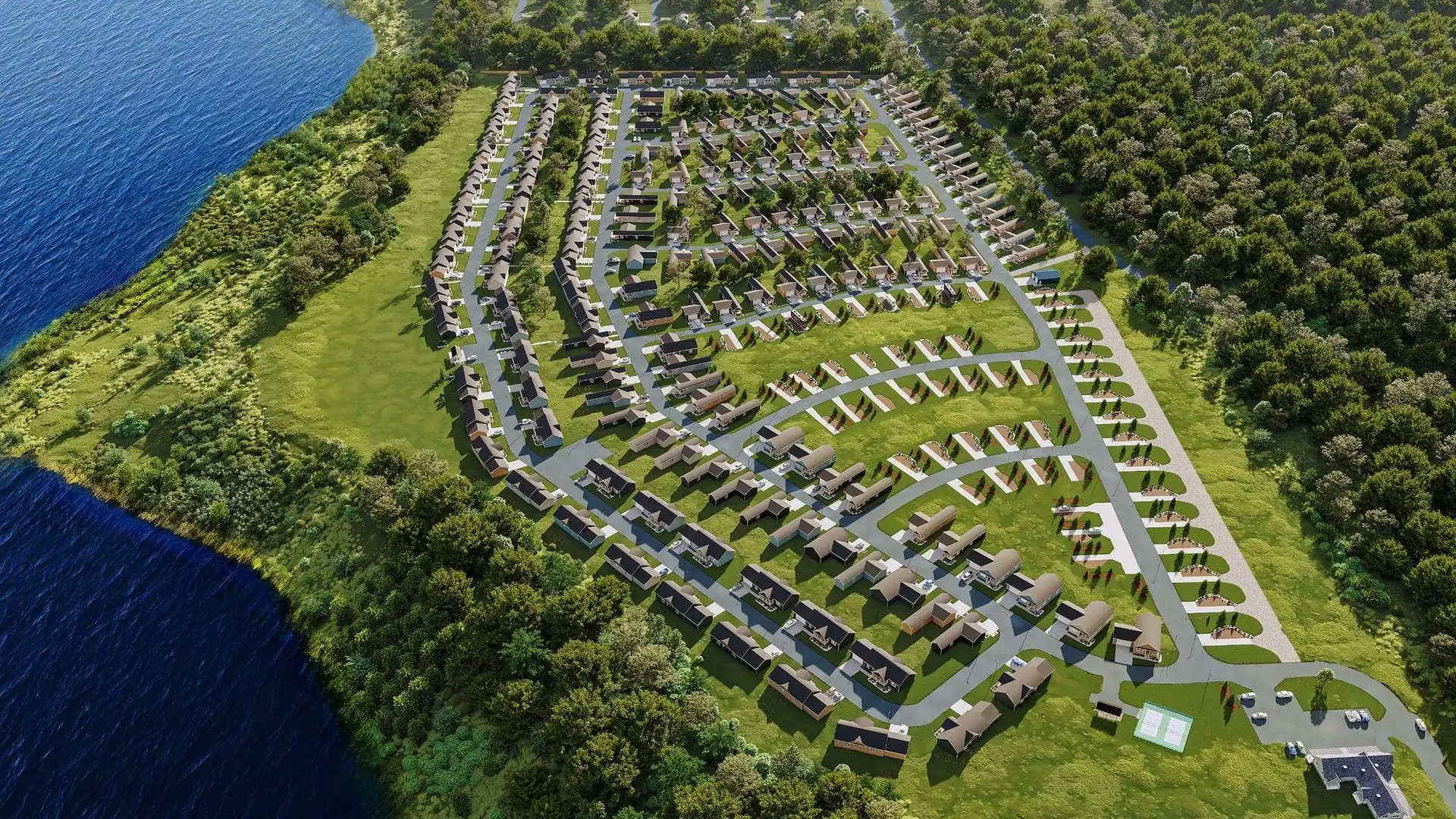
A manufactured housing community is two projects running at once: a land development project and a home procurement project. The site is approved, designed and constructed locally. The homes are produced in a plant on their own schedule. Grex runs both as one project, so the pads are ready when the homes arrive.
What makes manufactured housing different to develop
HUD-code homes are produced under the federal Manufactured Home Construction and Safety Standards. The community itself, its roads, utilities, stormwater and lot layout, answers to local zoning and, in many states, a state agency that licenses communities. Both approvals have to line up.
Most of the work is expanding an operating community. Construction traffic, utility tie-ins and phasing have to be planned around people who live there, and the existing infrastructure has to be confirmed before new lots are designed against it.
Production slots, transport and installation are scheduled with the manufacturer. A pad that is ready a month early costs carry. A home that arrives before the pad is ready costs more.
How fast homes sell or lease sets how many sites to open at once. The phasing plan, the infrastructure sequence and the home orders should all be set against the same absorption assumption.
The approval path
The approval path depends on the jurisdiction. Grex determines it before any design professional is under contract. The instruments that typically come up:
- Rezoning, planned unit development, or a special use permit where the use is not permitted by right
- A zoning text amendment where the ordinance does not yet provide for the community as planned
- Site plan approval, including stormwater, grading and soil erosion control
- State community licensing and plan review, in states that regulate communities directly
- Utility approvals: water and sewer capacity, or permits for on-site systems
- Age-qualified communities: the documentation that supports 55+ operation under federal fair housing rules
Where these projects stall
And how Grex handles itWater and sewer capacity, or soils that will not support on-site systems, can change the lot count. Grex confirms capacity, and each provider's review and construction timeline, in diligence.
A layout drawn before the jurisdiction's requirements are understood gets redrawn. Grex develops concept layouts in-house first, and engineers start from a known path.
In northern markets, underground utilities have a season. A two-week slip in the fall can push sewer and water work into winter, where it is slower, more expensive and often restricted, and cost far more than two weeks. Grex schedules against the construction season, not just the calendar.
Home orders placed before the site is ready, or after it, cost money either way. Grex coordinates production timing directly with the plant.
From the first look at the parcel to occupied homes. Owners work with one team; Grex works with everyone else.
- Path to approval: zoning, state licensing and utility approvals mapped before design
- Concept lot layouts tested on the actual parcel, before licensed designers are hired
- Manufacturer coordination: product, pricing, production timing, transport and set
- Engineering, survey, geotechnical and environmental firms scoped and brought under contract
- Public hearing preparation and representation
- General contractor RFQ and RFP, leveled bids, contract negotiation
- Construction through infrastructure, home set and occupancy: one schedule of record, verified progress, draws through title
Questions owners ask
How does the 21st Century ROAD to Housing Act affect manufactured housing communities?
The 2026 law removed the federal permanent chassis requirement, made HUD the authority on manufactured home energy standards, raised FHA Title I loan limits and authorized the PRICE program for community infrastructure and home replacement. Most of it takes effect through HUD rulemaking and state law changes due in 2027, and it does not override local zoning, so each project still needs its own approval path.
How long does it take to expand a manufactured housing community?
It depends on the jurisdiction and the utilities. On a recent Michigan expansion, Grex secured unanimous local approval in three and a half months and a unanimous state variance by month seven, with contractor procurement, home procurement and site preparation running in parallel. The approval path and utility capacity are the two variables to establish first.
Do manufactured housing communities need special zoning?
Often, yes. Many ordinances do not permit a manufactured housing community by right, so the project needs a rezoning, a planned unit development, a special use permit, or a zoning text amendment. Some states also license communities and review their plans at the state level.
Who coordinates the homes with the site work?
Grex does. Home production, transport and installation are scheduled with the manufacturer against the site schedule, so pads, utilities and homes arrive in the right order.
Can Grex manage an expansion while the community stays open?
Yes. Most of the work is expanding operating communities. Phasing, construction access and utility tie-ins are planned around residents from the start.
Where is your project today?
Engagements begin at any phase, raw land to mid-construction. Tell us where the project stands, and we will put together the plan to get it to operating.
Or write to contact@grexdev.com. Every inquiry is read by the team and answered directly.